


ACEF 2026 Brings Together Global Experts to Discuss Secure and Resilient Energy Systems
Share


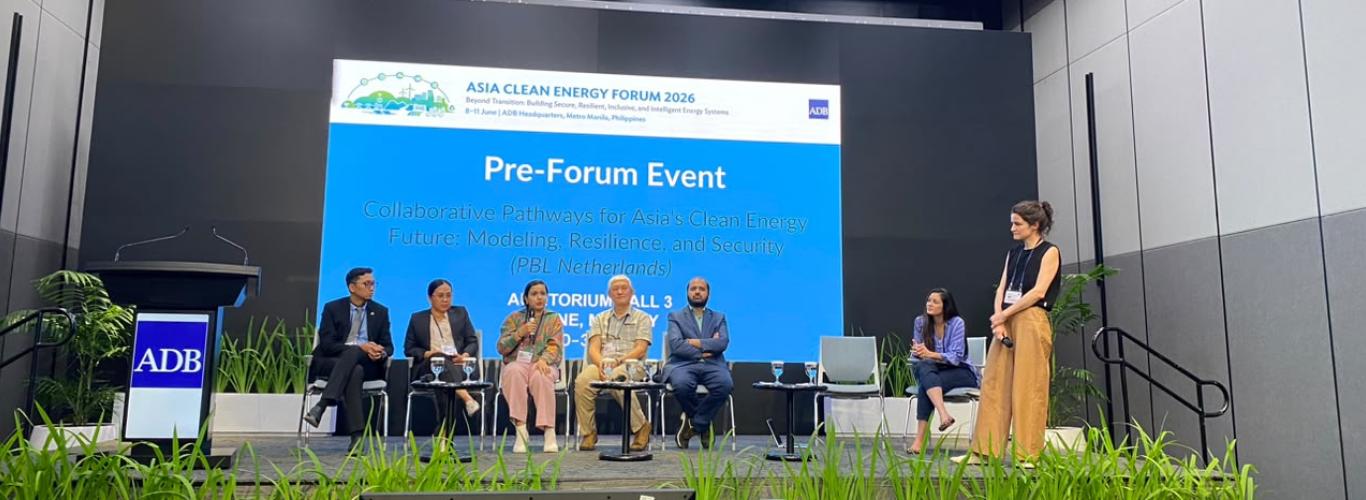
The Asia Clean Energy Forum (ACEF) 2026 was held at the headquarters of the Asian Development Bank in Manila from June 8–11, 2026. This year’s theme, “Beyond Transition: Building Secure, Resilient, Inclusive and Intelligent Energy Systems,” focused on four key areas: (i) strengthening energy security through diversified and reliable clean energy sources; (ii) developing resilient energy systems capable of withstanding disruptions; (iii) promoting inclusion through equitable access and participation; and (iv) advancing intelligent energy systems through the use of digital technologies, artificial intelligence, and smart grids to improve efficiency and management.
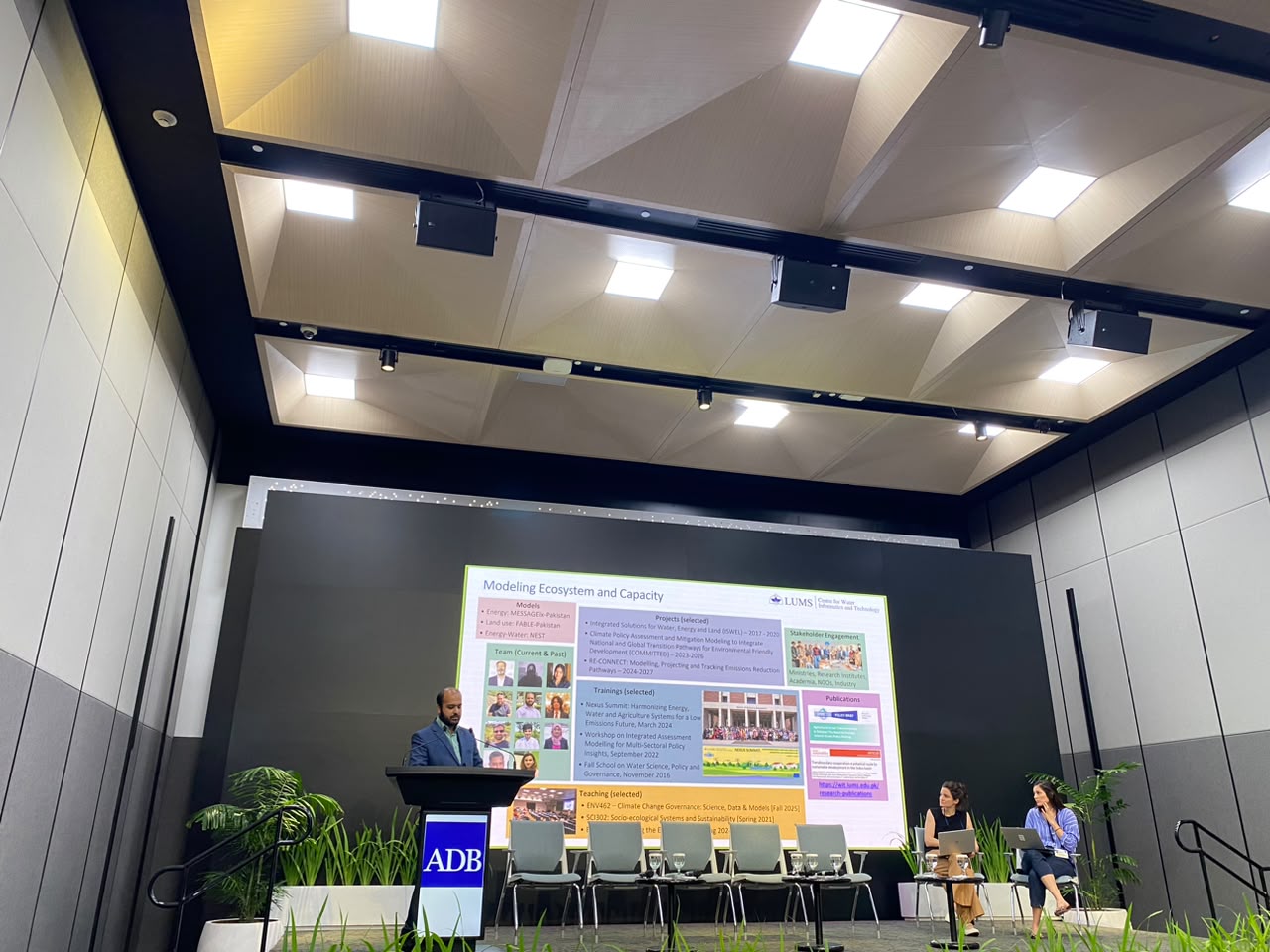
In this context, Dr. Talha Manzoor, Assistant Director at WIT, participated in the forum and delivered a presentation titled “National Modeling in Practice – Pakistan Case Study.” The presentation highlighted Pakistan’s experiences and lessons learned in applying energy and emissions modeling tools to support evidence-based policymaking and long-term sustainability planning. The talk was part of a special session organized by the COMMITTED Project consortium titled "Collaborative Pathways for Asia's Clean Energy Future: Modeling, Resilience, and Security".
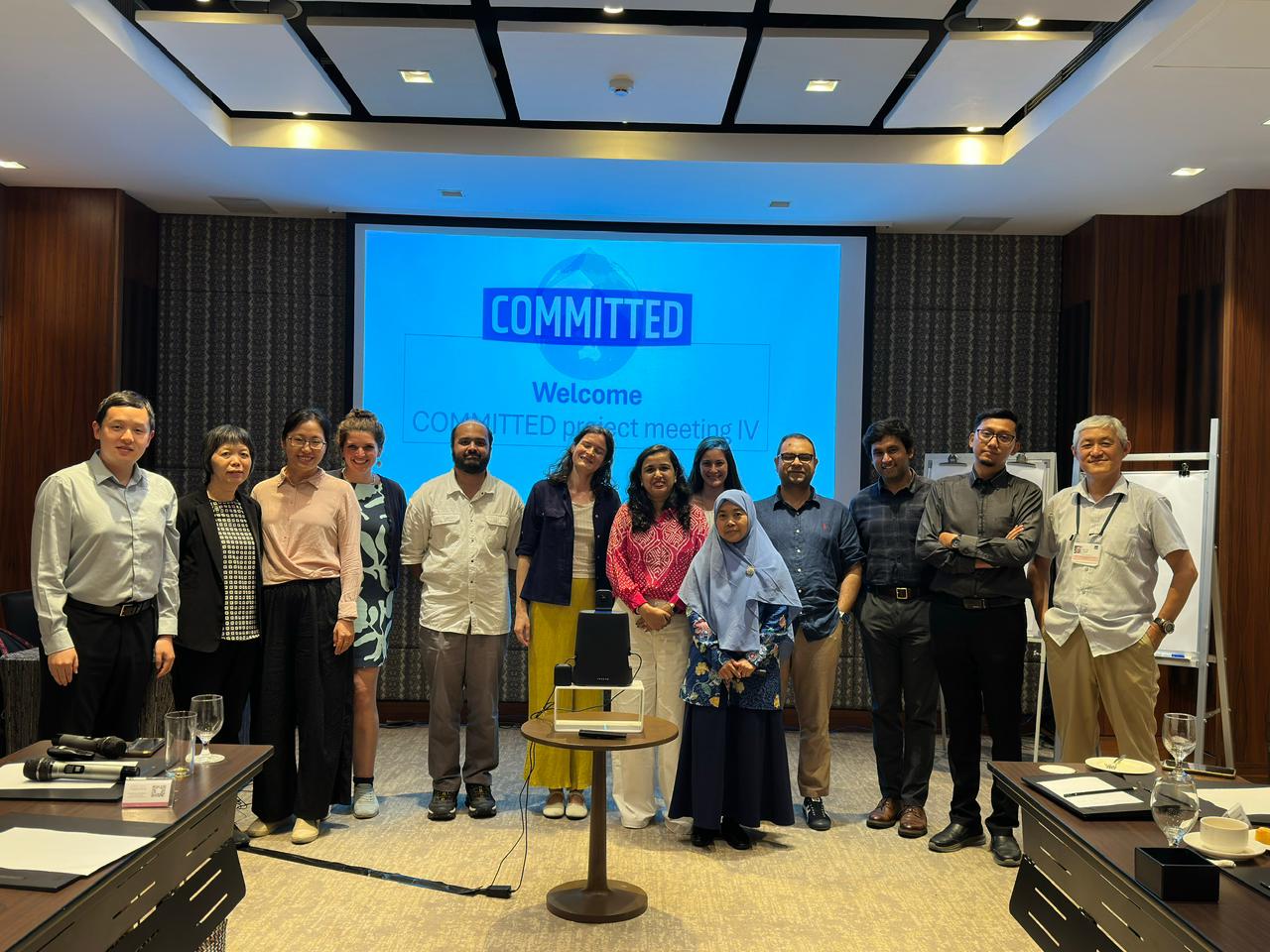
The conference was also colocated with the closing meeting of the COMMITTED Project consortium. Launched in 2023, COMMITTED brought together European and Asian partners with the objective of enhancing the exchange of best practices in greenhouse gas emissions modeling between the European Union and Asian countries. The consortium includes leading organizations from Asia alongside internationally recognized integrated assessment modeling teams. During ACEF 2026, partners from both regions reflected on the project's achievements, shared key lessons learned, and discussed opportunities for sustaining collaboration beyond the project's completion.
The participation of WIT in ACEF 2026 underscores its commitment to advancing evidence-based energy and climate policy research. The forum provided a valuable platform for knowledge exchange, international collaboration, and showcasing Pakistan’s contributions to global efforts aimed at building sustainable, resilient, and inclusive energy futures.

Connect


