


LUMS Students Explore Climate Change Challenges in Soon Valley in Collaboration with WWF-Pakistan

Share


Students enrolled in the Climate Change Governance course (ENGG562/ENV462) at LUMS visited Soon Valley on 13–14 November. The field visit was organised in collaboration with the Water, Informatics and Technology (WIT) Centre, the Syed Babar Ali School of Science and Engineering (SBASSE), the Mushtaq Ahmad Gurmani School of Humanities and Social Sciences (MGSHSS), and WWF-Pakistan. The visit aimed to demonstrate the importance of real-world evidence, meaningful community engagement, and asking questions that can inform climate governance. Above all, it offered students an opportunity to understand that climate change is not an isolated issue but one deeply interconnected with people's everyday lives.
During the visit, students explored Khabeki Lake, Kanhatti Gardens and Uchhali Lake. They also visited two government schools and engaged in conversations with village elders in Angah.
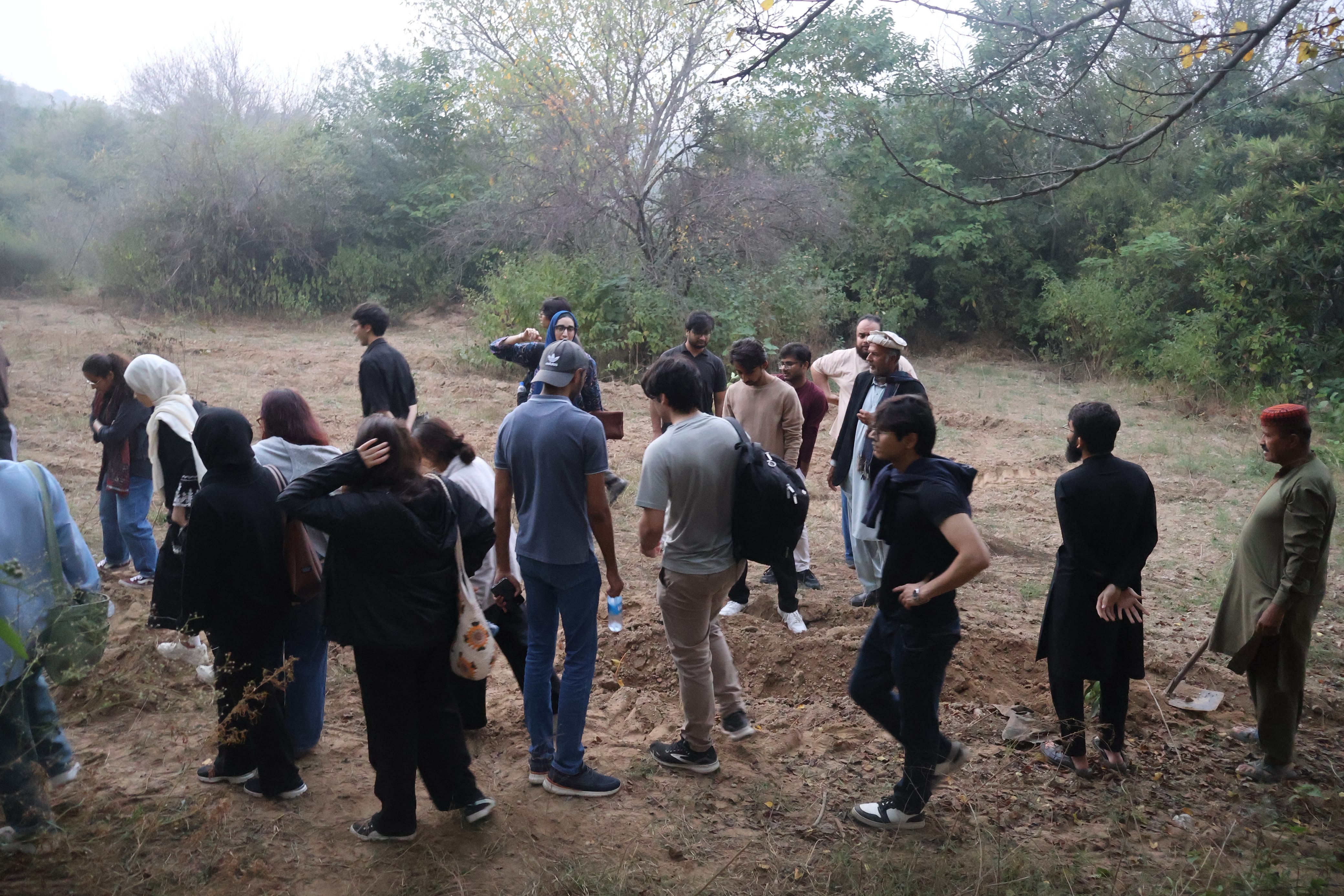
Soon Valley faces significant climate-related challenges. Some of its lakes have dried up, springs have weakened, and residents shared observations of changing local weather patterns. Through these interactions and field observations, students witnessed first-hand how climate change intersects with the local economy and livelihoods, water availability and groundwater use, energy choices such as solar-powered pumping, agricultural practices and cropping patterns, biodiversity, deforestation, tourism, community perceptions, and governance more broadly. Students also learned about WWF-Pakistan's ongoing efforts in the valley, particularly its work on groundwater recharge, rainwater harvesting and community empowerment.
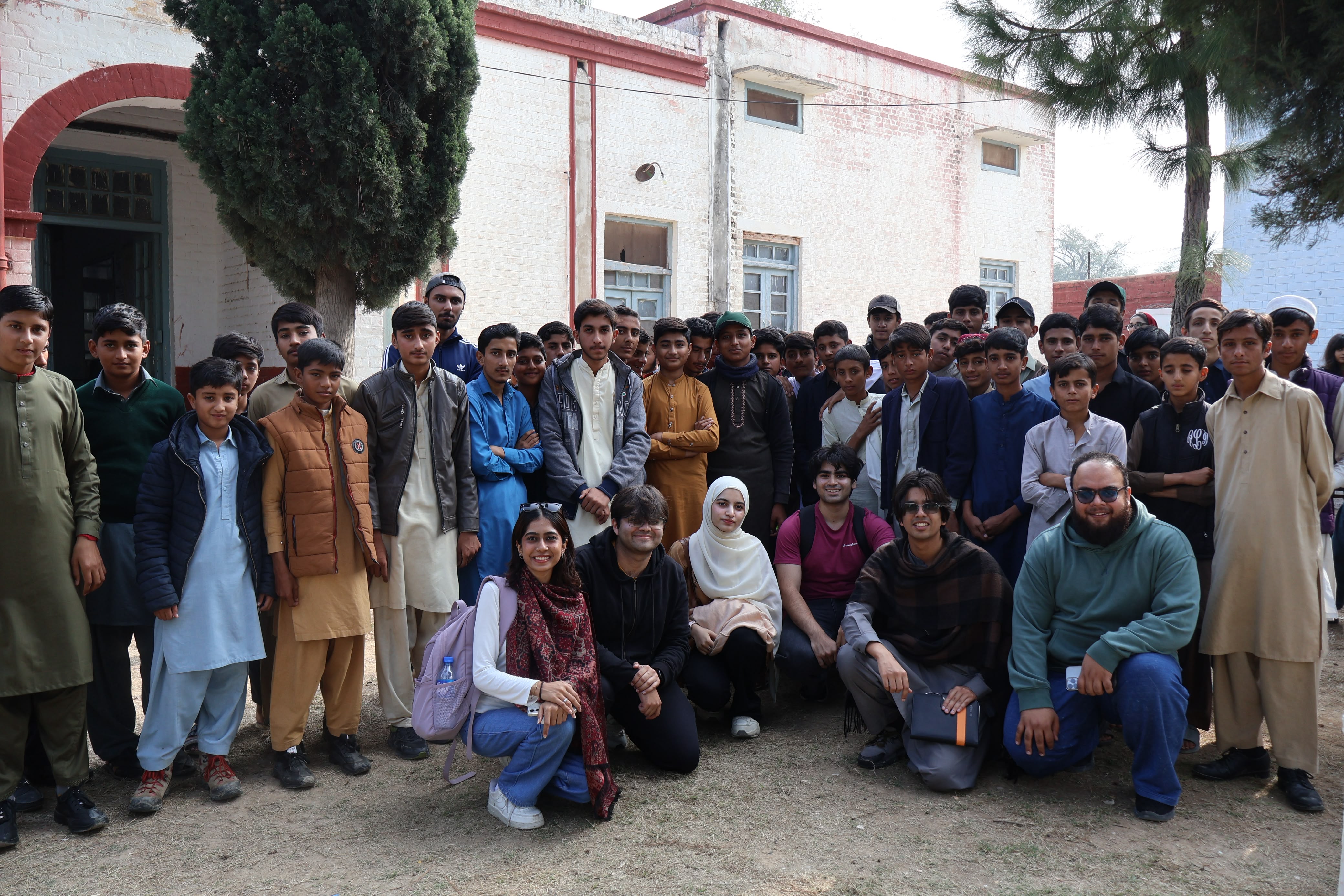
An important part of the visit was the opportunity to engage with local students. Students from the course conducted a short mentorship session at Government Boys High School, Nowshera, visited the school's computer labs, and learned about the students' IT and development skills. They also delivered brief lectures on science and technology, highlighting the importance of pursuing higher education beyond high school. The school's headmaster and staff warmly appreciated the engagement.
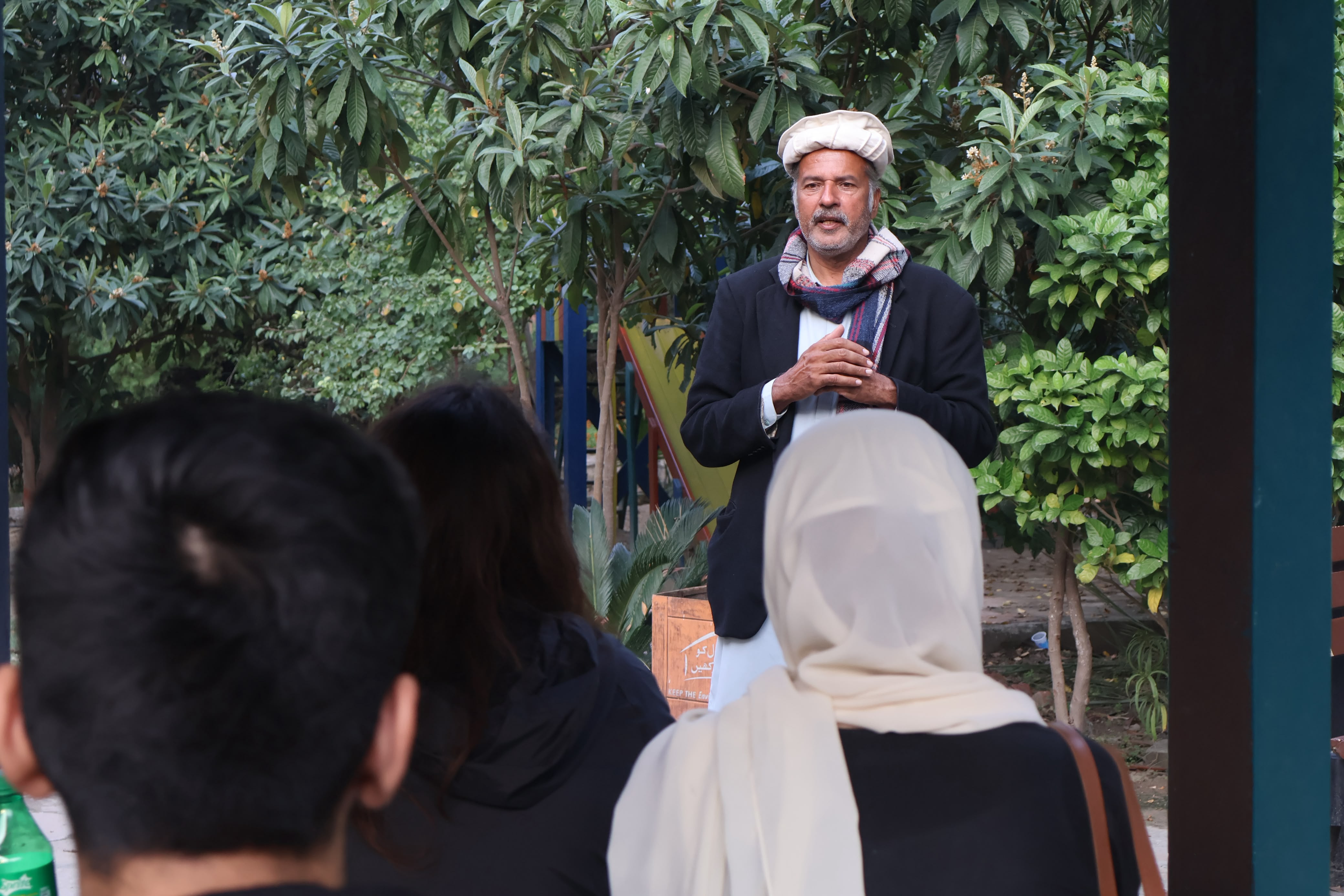
One particularly memorable moment came during a conversation with village elders in Angah. One elder spoke passionately about the taxes paid by local residents and the limited public services and returns they receive in return. When another elder attempted to interrupt him, he continued, speaking in the local language and tapping his head to emphasise the importance of remembering. His message was simple but powerful: one day, these students will occupy positions of influence and authority, and when they do, they should remember the concerns and struggles of ordinary people.
The visit was a reminder that effective climate governance must begin with listening to the people who experience its consequences. Beyond classrooms, data and policy frameworks, meaningful climate action requires an understanding of local realities, community knowledge and the everyday challenges people face. The conversations in Soon Valley will hopefully stay with the students as they continue to engage with questions of climate, development and governance.

Connect


