


Tectonics, Climate and Community: Rethinking Water Security in the Indus Basin

Share


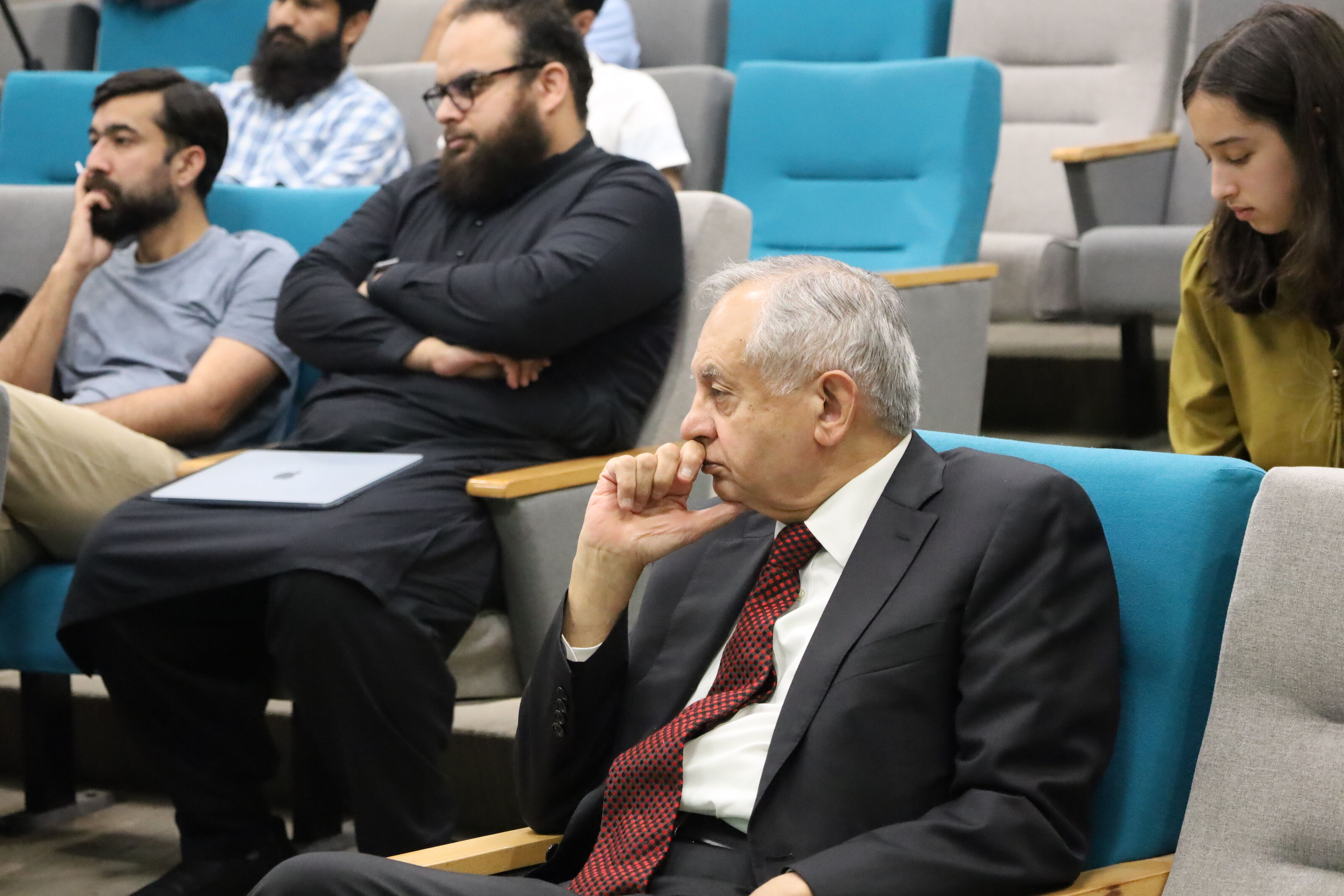
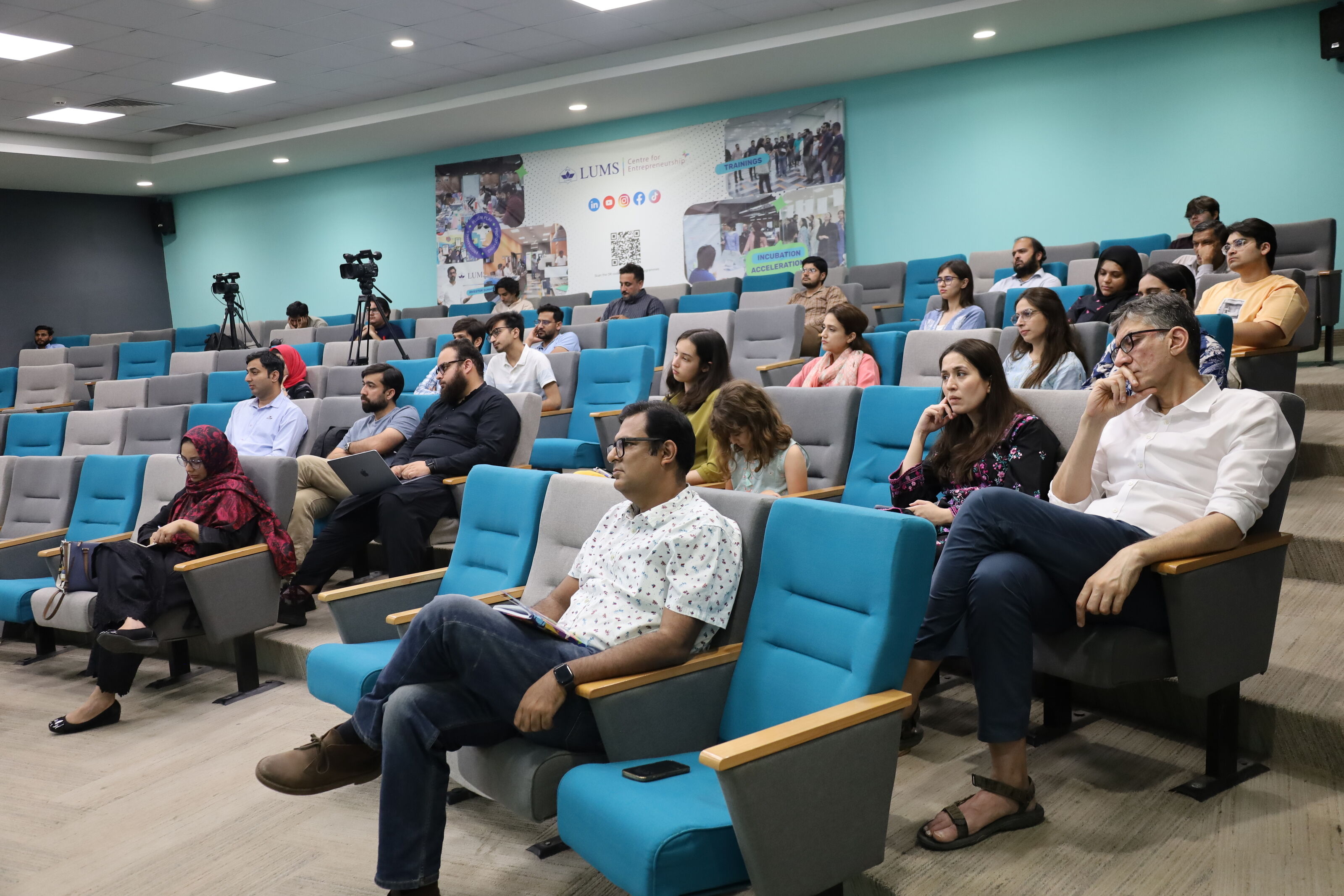
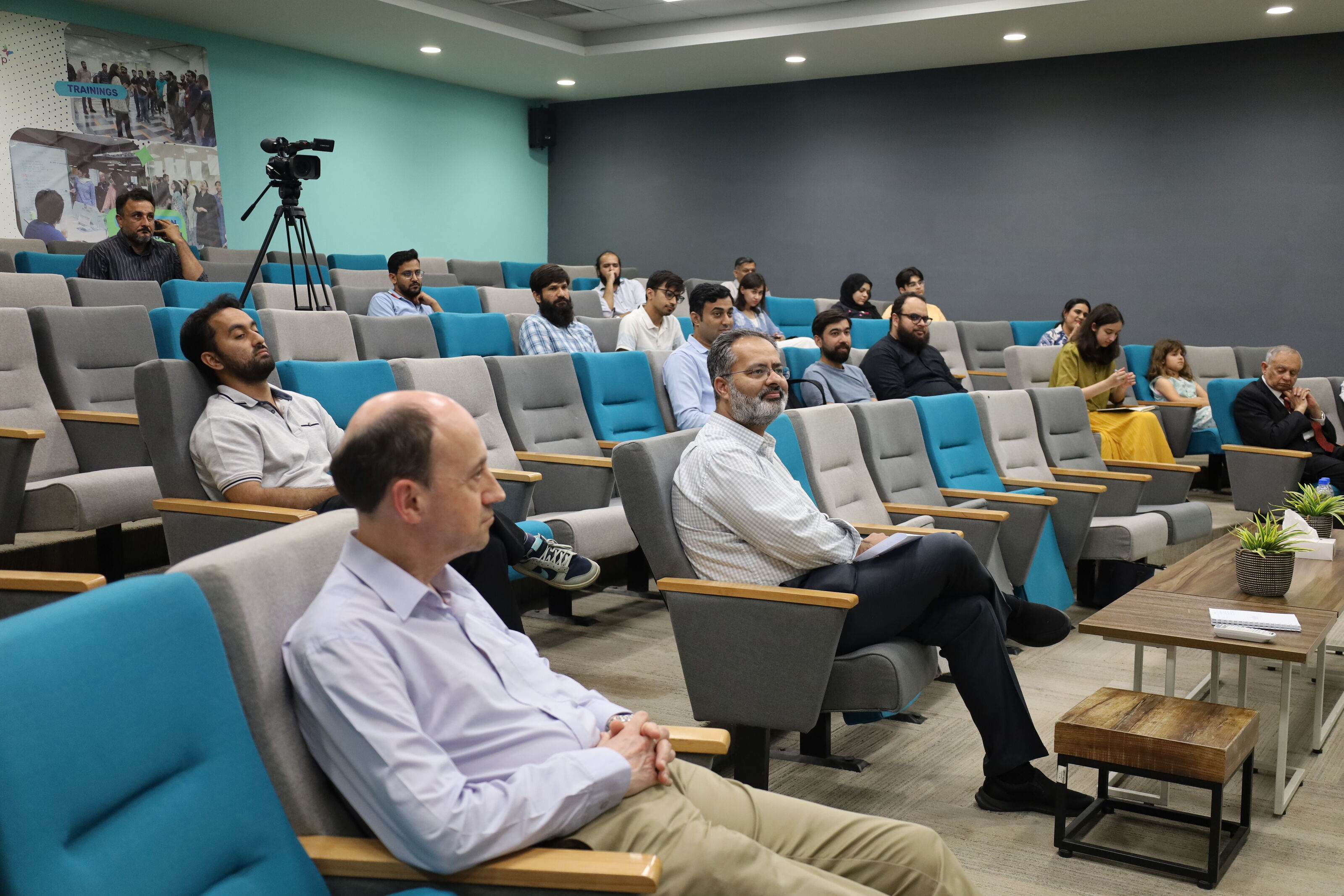
Dr. Zeeshan Ismat, Professor of Geosciences at Franklin & Marshall College, visited LUMS to lead a collaborative seminar organized by SBASSE, MGSHSS, and WIT. Her lecture, titled “Tectonics, Climate, & Community: A Hybrid Strategy for Water Security in the Indus River Basin, Pakistan,” explored how climate change, groundwater depletion, and geological shifts are shaping water security in Pakistan, and how a hybrid, community-driven approach can offer more resilient and sustainable solutions.
Centering around the themes of environmental justice, boundaries, and exploitation, Dr. Ismat began by emphasizing how identity is tied to land rather than borders, census data, or externally imposed labels. She argued that a “zero-sum” mindset alienates communities from their land, and, consequently, from their identity. She stressed that water, as one of the most critical resources, must be used sustainably, as the scarcity of freshwater for future generations could pose an existential threat to human civilization.
During her talk, she highlighted Pakistan’s status as one of the most water-stressed countries in the world. The Indus River Basin (IRB) serves as the primary water source, with approximately 66% of its flow originating from mountain glaciers and the remainder from monsoon rains. The IRB is one of the largest transboundary river basins globally, shared by Pakistan (61%), India (29%), China (8%), and Afghanistan (5%). Future projections indicate increasing water insecurity, with unprecedented glacial melting, faster than in most other regions. expected to lead to peak river flows around 2070.
Dr. Ismat also presented an innovative approach to addressing water insecurity in Pakistan by identifying and utilizing new freshwater reservoirs. She explained that Pakistan’s mountain ranges are rising at some of the fastest rates globally, and this rapid uplift has created extensive fractures within the rock structure. These fractures can act as subsurface fractured rock aquifers, storing water from glacial melt and monsoon precipitation. Her research has mapped these fractures across Pakistan, revealing untapped freshwater resources that could help address the country’s growing water crisis and serve as a viable alternative to excessive groundwater extraction. She emphasized that relying solely on groundwater pumping, even if managed sustainably, may not be sufficient.
She further stressed that these untapped water resources must be integrated with sustainable, community-driven solutions. This includes reviving traditional practices such as rainwater harvesting, constructing small earthen dams, and developing community-managed wetlands that enhance water storage, improve percolation, and support groundwater recharge. Such community-based approaches have demonstrated tangible impacts on both resource management and local governance.

During her visit, Dr. Ismat also met with WIT’s faculty and staff, where she was briefed on the Centre’s diverse research themes and ongoing projects. The discussions highlighted opportunities for future collaboration on climate change and water conservation from a geological perspective. She was also given a tour of WIT’s production lab, where she observed the development of indigenous sensors designed to support farmers in water conservation, field mapping, precision agriculture, soil moisture sensing, crop health monitoring, and data-driven farm management.

Connect


