


WIT and OET Host Virtual Training on OpenStreetMap and MapYourGrid for Renewable Energy Mapping
Share


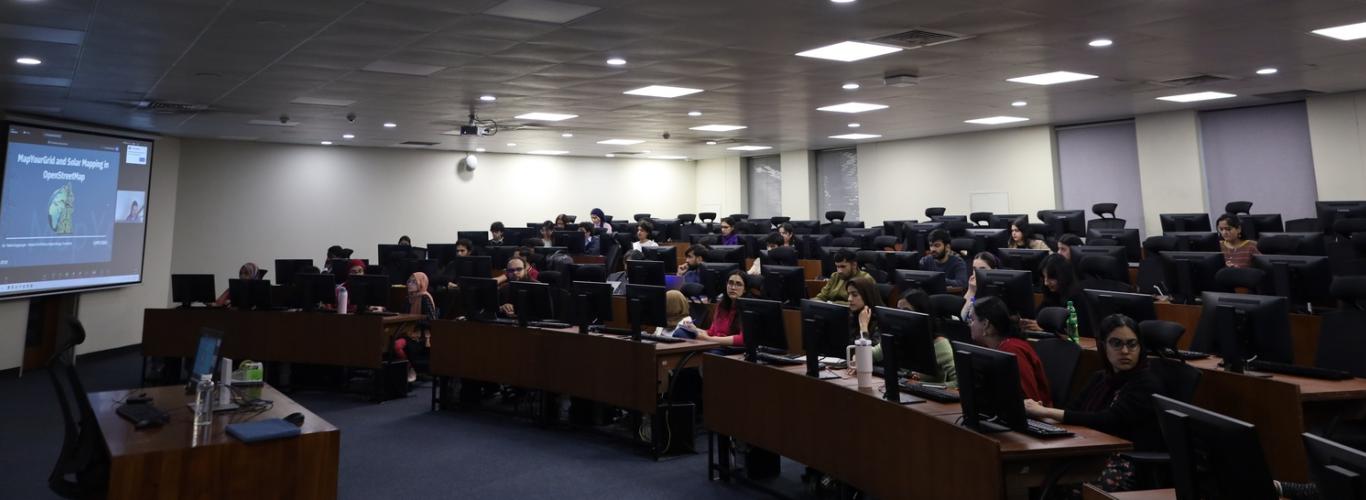
On February 10, 2026, the Centre for Water Informatics and Technology (WIT) at LUMS, in collaboration with Open Energy Transition (OET), organized a virtual training session on OpenStreetMap (OSM) and MapYourGrid. The session was led by Tobias Augrburger, Head of Grid Data at OET, who brought extensive experience in open data systems and energy mapping initiatives.
The session began with a comprehensive introduction to OpenStreetMap (OSM) and MapYourGrid, highlighting their growing importance in advancing transparent, data-driven energy transitions. Participants were introduced to how open-source spatial data can support infrastructure planning, improve energy access mapping, and enable evidence-based policymaking. The trainer walked participants through the technical and practical significance of these tools in identifying renewable energy potential and strengthening decentralized energy planning.
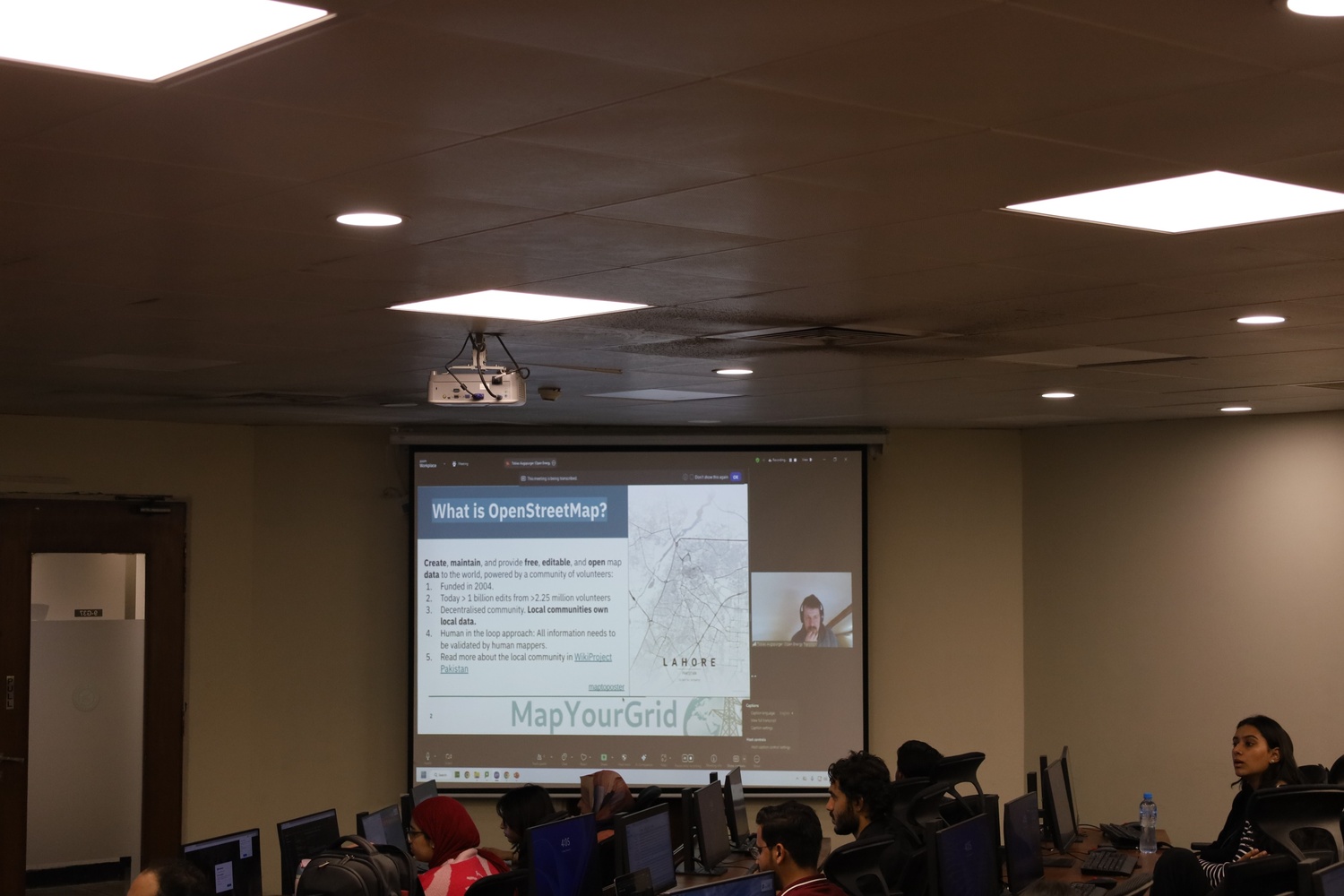
A hands-on activity was then conducted, engaging participants in mapping solar installations using satellite imagery and existing knowledge bases. This practical exercise allowed attendees to directly contribute to open datasets while learning how to validate and digitize spatial information. The activity was followed by a discussion on the application of spatial tools to identify infrastructural gaps, assess energy access disparities, and support advanced planning models for sustainable energy deployment.
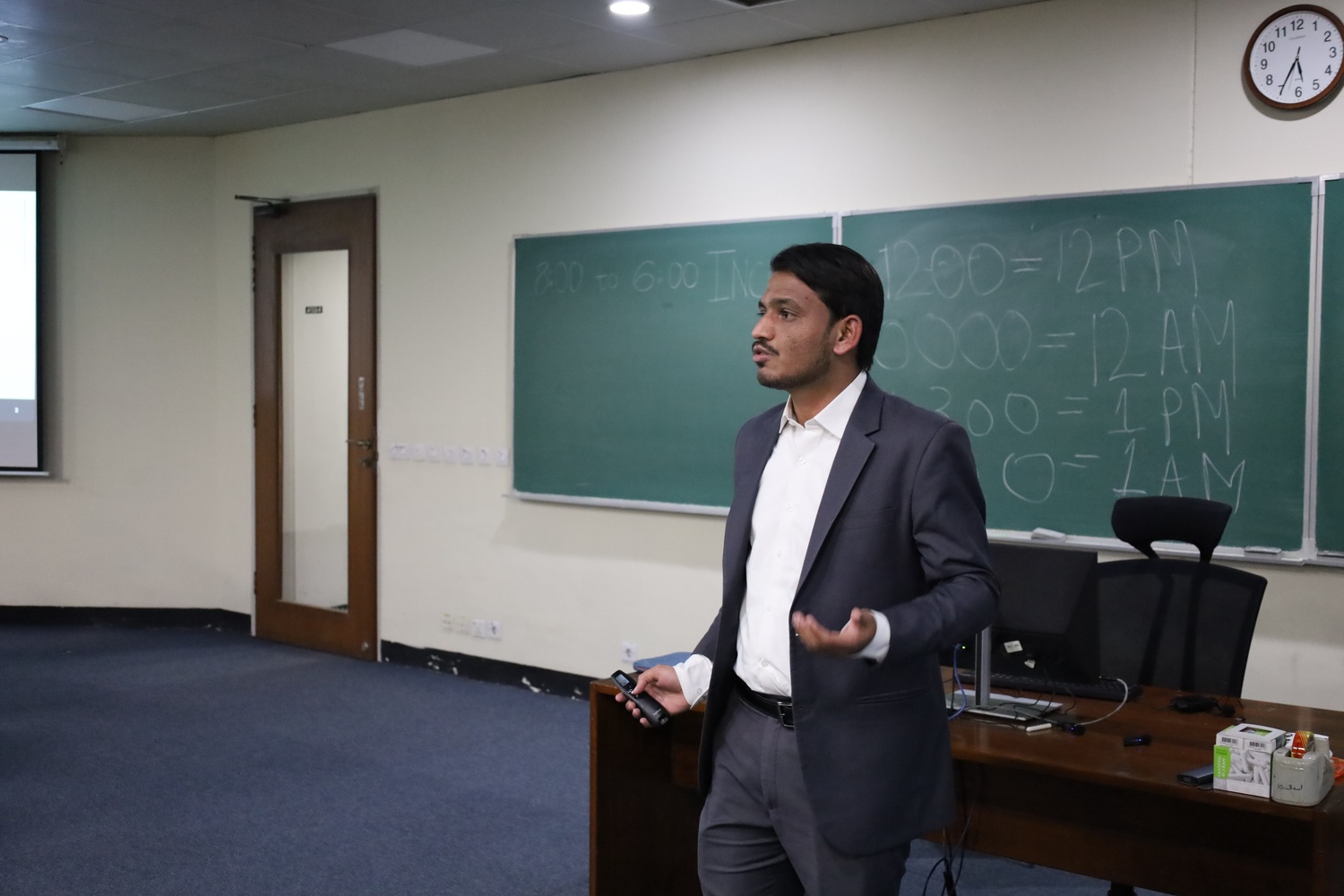
On this occasion, Abdul Karim Shah, young scientist from Tharparkar, also presented his work on applying OpenStreetMap to identify existing gaps in Pakistan’s solar energy sector. His presentation demonstrated how localized mapping efforts can generate actionable insights for policymakers, researchers, and energy practitioners working to accelerate the country’s renewable energy transition.
The session concluded with a comprehensive Q&A segment, during which Tobias addressed participants’ questions in detail, clarifying technical aspects and exploring future collaboration opportunities.
This collaborative learning experience was greatly appreciated by participants, who valued the practical orientation and policy relevance of the training. WIT remains committed to organizing similar capacity-building initiatives that bridge technology, research, and sustainable development.

Connect


