


WIT Director Talks about Pakistan 2025 Floods with Local Media
Share


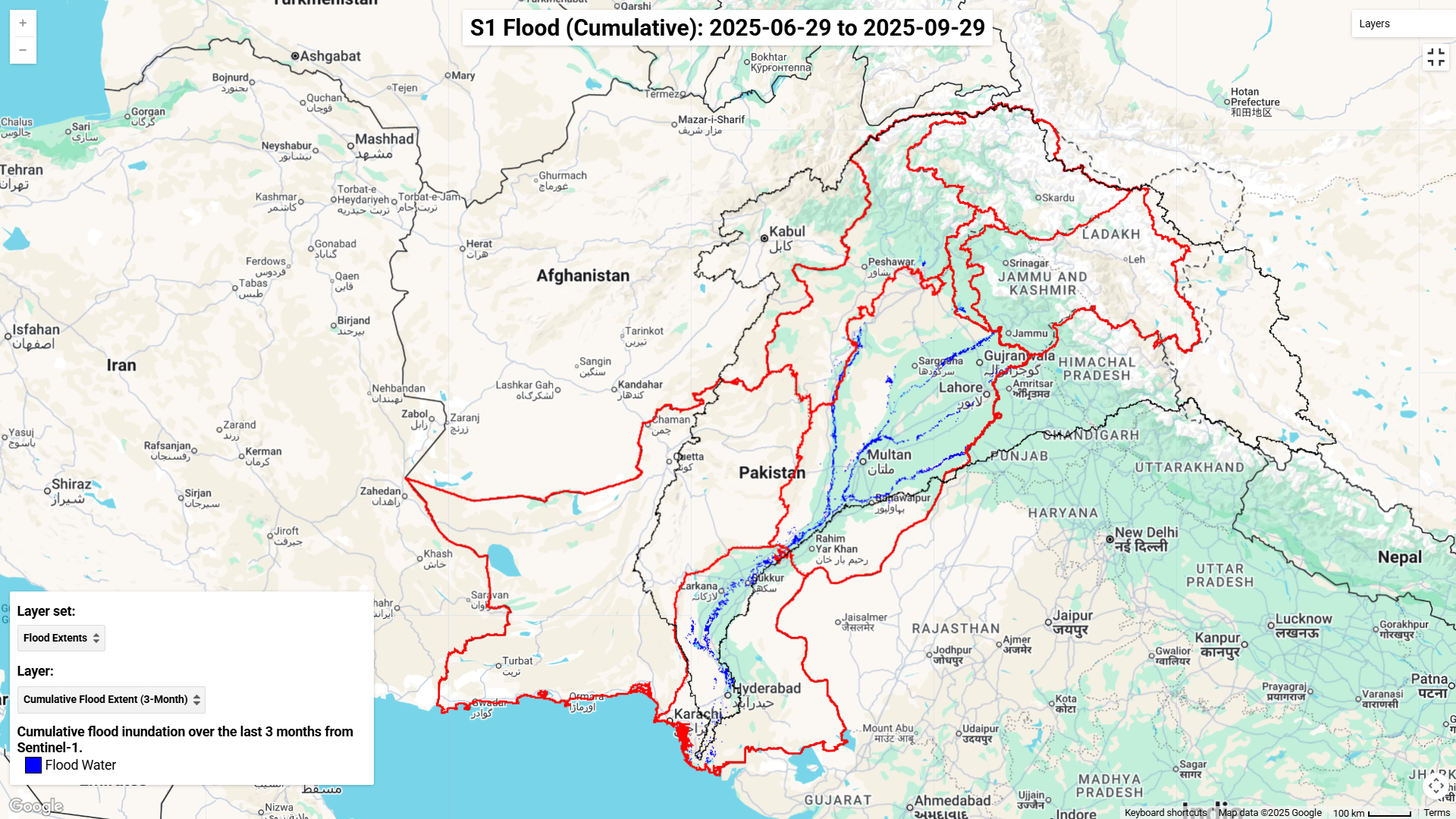
In a recent interview with a news channel, Dr. Abubakr, Director of the Centre for Water Informatics and Technology (WIT) at LUMS, discussed the unprecedented floods in Punjab, highlighting their causes, consequences, and the urgent need for stronger climate resilience.
When asked whether these floods were unexpected or part of a new normal, Dr. Abubakr emphasized Pakistan’s longstanding governance failures. He noted that while climate change warnings were clear globally, Pakistan’s focus in the 1990s was on economic growth and in the 2000s on counterterrorism, leaving climate risks largely ignored. The devastating 2010 floods, he stressed, should have been a wake-up call to recognize climate change as a pressing reality. However, inadequate planning and policy foresight have meant that Pakistan continues to face mega floods every two to three years, with governance shortcomings amplifying the impact.
On the way forward, Dr. Abubakr highlighted that despite the global attention Pakistan received after the 2022 floods—particularly in relation to the Loss and Damage Fund—the country has not taken sufficient steps to build resilience. He recalled several important policy documents, including Justice Mansoor Ali Shah’s report on flood management and the National Disaster Risk Reduction Strategy. However, he underscored that alongside government initiatives, community-level engagement is vital.
Citing WIT’s work, Dr. Abubakr explained how flood early warning systems developed by the centre, in partnership with welfare agencies, are being deployed in local communities. These low-cost technologies empower people to respond to floods proactively, reducing risks even in the absence of large-scale government investment.
He further warned that while the media focus will fade after the immediate crisis, the long-term repercussions—particularly for food security—are alarming. Pakistan’s grain reserves and upcoming wheat crop remain highly vulnerable, exacerbated by an already deteriorating agricultural sector. He cautioned that post-flood challenges could mirror or even surpass those seen in 2010 and 2022 unless urgent steps are taken.
Concluding, Dr. Abubakr stressed the need for both government and communities to act responsibly. This includes discouraging settlements in floodplains, holding violators accountable, and investing in resilience at every level to safeguard livelihoods and ensure food security in the years ahead.
You can also watch the full interview here:

Connect


